This Just Got Very Serious
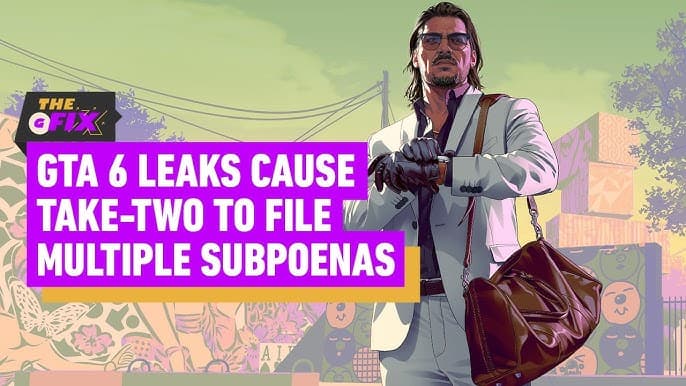
Take-Two Interactive has escalated its response to the CyberLeek GTA 6 footage leaks significantly. Beyond the initial wave of DMCA copyright takedown notices sent to Twitter, YouTube, and other platforms, Take-Two has now filed formal DMCA subpoenas in a New York federal court. This is a legally meaningful escalation — a court subpoena can compel platforms and internet service providers to reveal the identity of the people behind the CyberLeek accounts, giving Take-Two's legal team actionable information to pursue civil and potentially criminal charges against the leakers.
What a Court Subpoena Actually Means
A standard DMCA takedown notice is sent directly to a platform and asks them to remove content. The platform complies voluntarily. A court-filed DMCA subpoena is different — it is a legal order that compels third parties to produce information rather than simply asking for voluntary compliance. By filing in a New York federal court, Take-Two is asking a judge to order platforms and internet service providers to disclose identifying information about the CyberLeek operators — IP addresses, account registration details, payment records, and any other information that could help identify the real people behind the leaks. This is the same legal mechanism that has been used to identify anonymous infringers in music, film, and software piracy cases.
CyberLeek's Response — More Leaks Coming
CyberLeek has responded to the escalating legal pressure by threatening additional leaks. The group posted on Dread — the dark web forum where they first published the footage — stating they have more material including what they describe as a more recent build of the game and potentially story-related content. Whether this is a genuine threat or a bluff designed to generate continued media coverage is unknown. Take-Two's legal team will be aware of the threat and almost certainly accelerating their court-based identification efforts in response.
The Arion Kurtaj Parallel
The CyberLeek situation is drawing obvious comparisons to the 2022 Arion Kurtaj hack. Kurtaj was identified, arrested, tried, and committed to secure psychiatric care — all within roughly eighteen months of the original leak. The difference is that Kurtaj was a known individual operating largely alone, while CyberLeek appears to be a group operating through anonymisation tools including VPNs and cryptocurrency payments. The court subpoena process is specifically designed to pierce anonymisation layers by compelling the platforms and infrastructure providers that CyberLeek used to reveal what they know.
What This Means for Indian GTA Fans
For Indian fans, the court action is a reminder that the CyberLeek footage carries real legal risk for anyone who downloads, redistributes, or profits from it. Watching clips that others have uploaded to social media is in a legal grey area — actively downloading and redistributing the footage is not. The court action also confirms what the DMCA takedowns already established — the footage is real, Take-Two owns it, and they are pursuing the leakers through every available legal channel. Six days to August 27 when the official Extended Look makes all of this irrelevant.
My Take
Take-Two filing court subpoenas three days after the initial leak is an extraordinarily fast legal response. This tells you two things — the legal team was prepared for a potential leak scenario ahead of the August 27 reveal, and the company is taking this seriously enough to pursue real legal consequences rather than simply containing the damage through takedowns. CyberLeek's stated protest motivations do not provide any legal defence for what they have done. The court process is coming for them, and a VPN will not protect them if Take-Two can subpoena the platforms they used.